



Opportunity Culture Portal
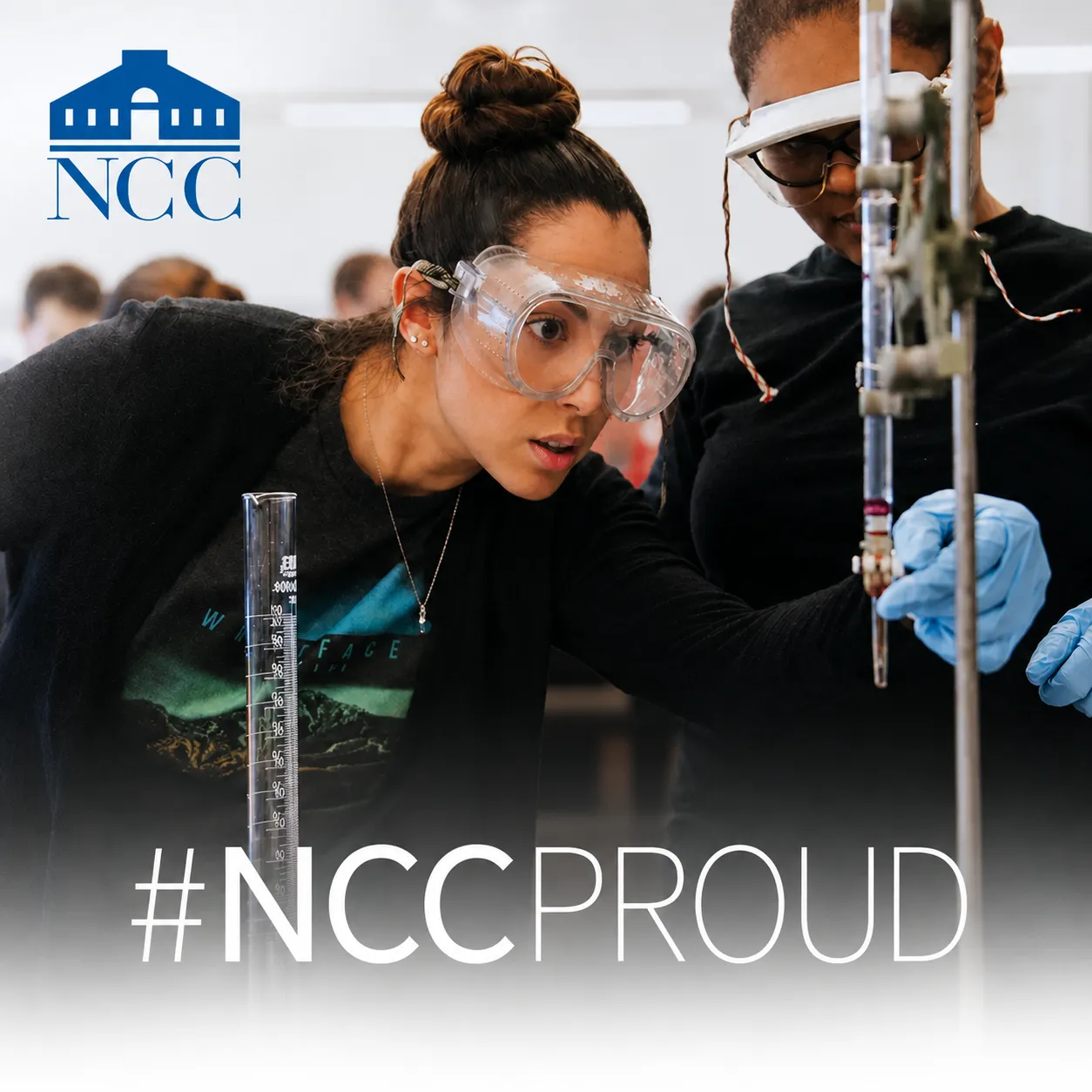
A portal UX design project that translated rough wireframes and functional concepts into detailed screen mockups, role-based flows, and demo-ready experiences for a complex education platform.
UX strategy and website development that supports how people actually decide — clear, aligned, and built for action.
A website can look polished and still miss the mark if the structure, proof, and path forward do not match what real people need in order to trust. Digital experience is the full online journey: what visitors understand, how easily they find what they need, and whether the next step feels confident and simple.

Structure the experience around
how people decide.

Build or refine websites with clarity and conversion in mind.

Improve the experience over time with measurement and insight.
A strategy call helps uncover what your website needs most and what next steps will create momentum.
It is how information is structured, how trust is built, and how the website helps different visitors move toward a decision. The content explains that some visitors want speed, some need reassurance, and others need proof before committing.
The items here represent typical deliverables within this service. After a strategy call, the right mix is recommended based on goals, complexity, and what will create the biggest impact. Final scope and deliverables are defined in a clear proposal.

We start with clarity. This ensures your website has a strong foundation built around your goals and your audience.


See how we partner with mission-driven organizations to design and build digital experiences that inform, engage, and drive impact.
A portal UX design project that translated rough wireframes and functional concepts into detailed screen mockups, role-based flows, and demo-ready experiences for a complex education platform.
A WordPress membership platform redesign that balanced public credibility, secure member access, corporate memberships, application workflows, protected resources, and long-term internal usability.
Some websites are not simple brochures — they are platforms with multiple user types, logins, ordering flows, or deeper decision cycles. Platforms do not fail because the code is bad. They fail because the experience is unclear. Strategy and UX lead the build so the system supports how people actually buy, join, or request information.
E-commerce is not just ‘add to cart.’ It is product organization, decision support, friction reduction, and trust. The goal is to make it easy for customers to find what they need, understand the value, and purchase with confidence.
B2C sites typically prioritize speed, mobile-first flow, and quick trust signals. B2B e-commerce often requires more complex ordering, quote requests, customer-specific pricing, reorders, and account portals.
Typical focus areas: product and category structure, search and filter UX, product page messaging, checkout flow, cross-sells, inventory and fulfillment considerations, email automation foundations, and conversion optimization.
Membership and directory experiences usually involve sign-ups, profiles, logins, onboarding, gated content, and retention. UX matters more than most people expect – because if the experience is clunky, members will not use it.
Typical focus areas: onboarding flows, member journeys, directory structure and filtering, permissions, content organization, renewals, and email communication systems.
Organizations often serve multiple audiences (members, donors, volunteers, staff, partners). The website must make it easy for each group to find their path without turning the experience into a maze.
Typical focus areas: information architecture, audience paths, program discovery, event calendars, resource libraries, donation and support flows, accessibility, and governance around content updates.
Many B2B businesses do not need e-commerce. They need a site that supports longer decision cycles and sales conversations. These sites win through clarity, credibility, and conversion paths that match real buying behavior.
Typical focus areas: service and product positioning, proof and credibility, lead capture strategy, quote and consult workflows, CRM integration support, SEO foundations, and conversion optimization.
A better website is not only one that looks good – it is one that performs. This work pairs UX improvements with measurement so the business can see where people are getting stuck, what content builds confidence, and what paths lead to action.

Leads, sign-ups, sales, member growth, and engagement

Forms, calls, bookings, checkout, and key actions

Drop-offs, page flow, search queries, and FAQs that get used

A/B tests based on how people decide, not random changes
Whether you need a roadmap, hands-on implementation, or ongoing strategic support, the work is scoped around what will create the most momentum.

Roadmap + coaching

Hands-on Implementation

Ongoing strategic support

This service is a strong fit for small to mid-sized businesses that want a website and digital experience that feels aligned — not generic — and are willing to improve it over time through measurement, testing, and real customer insight.
The best website projects start with shared expectations. These questions cover how the work is scoped, how strategy guides the build, and how measurement helps the experience improve over time.
Platform recommendations depend on the client’s goals, existing technology, internal team, budget, and long-term support needs. I have worked with a range of website platforms and build environments, including WordPress — with Divi, Elementor, WPBakery, Blocks, WooCommerce, and custom builds — as well as HubSpot Website Builder, Adobe Commerce, Drupal, HTML5, Squarespace, and Shopify.
The goal is not to force every project into one platform. The goal is to choose or support the platform that best fits the business, the user experience, and the work the website needs to do over time.
Both options are available. Sometimes the smartest move is improving structure, UX, and conversion paths without rebuilding everything.
Yes. UX and conversion go together. The work focuses on clarity, friction removal, stronger calls to action, and measurable improvement.
Yes. SEO foundations are part of the digital experience: site structure, on-page clarity, and technical basics. Broader SEO strategy and content programs can be scoped separately.
Yes. Strategy and UX lead the work. For complex development, trusted senior developers can be brought in while Vertical Insite stays involved to keep the experience aligned.
Yes, when it will reduce uncertainty and build trust. Education is often the difference between a site that looks good and a site that converts.
Yes. WordPress Website Care Plans are available for updates, security, backups, and ongoing support.
Yes – strategically. AI can help speed up ideation and drafts, but final structure, messaging, and UX decisions are refined for the business and the audience.
Let's create a clearer, more connected brand experience across your website, messaging, and marketing.
Helping small to mid-sized businesses clarify their message, strengthen their digital presence, and build trust through more intentional marketing.